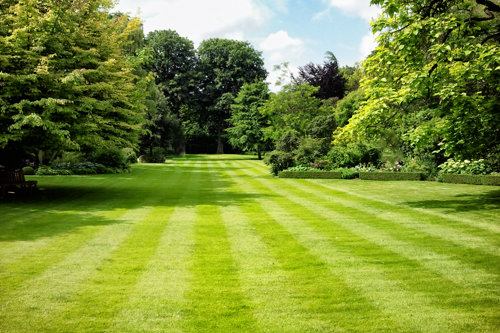
This essential guide covers why lawn aeration is so important, when to aerate, the main types of aeration, and practical tips to get the best results.
Professional landscapers know that a resilient, healthy lawn starts below the surface. While practices like mowing, irrigation, and fertilisation all play a vital role, the development of healthy roots also depends on the condition of the soil itself.
Beneath every lawn, roots compete with a range of natural and environmental pressures. Leatherjackets can feed on grass roots below the surface, while birds searching for worms and larvae may lift patches of weakened turf. Add regular foot traffic, heavy machinery, and changing weather conditions into the mix, and it’s easy to see how even well-maintained lawns can become stressed over time. One of the biggest consequences is soil compaction, which limits the movement of air, water, and nutrients to the root zone.
So, how can we address these challenges and support overall lawn health? If you’re new to the industry, or if you’re simply a lawn care enthusiast looking to learn more, this guide covers everything you need to know about lawn aeration.
What is lawn aeration?
Lawn aeration is one of the most effective methods to reduce soil compaction, create new channels to connect grass roots and important nutrients, and encourage a stronger, greener growth of grass.
To put it simply, aerating lawns is the process of punching holes into or coring the soil surface and the thatch layer to improve air circulation and nutrient absorption into the root zone.
By opening up the soil structure, the aeration process relieves compaction, allowing grass roots to grow deeper and stronger and creating a healthier, more resilient lawn.
What causes lawn compaction?
Soil compaction is a gradual process that occurs naturally over time, but pedestrian traffic (including families, pets, and guests) and landscaping machinery can place additional pressure on the soil surface, exacerbating the problem.
Heavy clay soils are particularly susceptible to compaction, while prolonged rainfall can contribute to further compressing the ground.
How do you know if a lawn needs aerating?
Once you know what to look for, it’s easy to identify compacted lawns.
A common indicator is if rainwater pools on the surface rather than quickly draining away, as the soil is no longer absorbing water effectively. Another is if the ground feels particularly hard underfoot or difficult to dig or fork into after prolonged dry spells – compaction may be the underlying cause.
Other common warning signs include thinning grass, increased moss, poor drought tolerance, and bare patches of turf in areas with heavy foot traffic.
What are the benefits of lawn aeration?
When it comes to maintaining a lawn, aerating is one of the essentials – it has long-term benefits that range from improved appearance to better overall turf health.
By reducing compaction, aeration allows air, water and nutrients to move more freely through the soil and reach the root system, encouraging deeper root development – deeper roots help the grass withstand drought and wear.
Aeration can help break down the thatch layer sitting above the turf while also improving drainage and water absorption, and reducing water pooling after rainfall.
Types of lawn aeration
There are two common ways to aerate a lawn, depending on turf conditions.
Hollow tine aeration
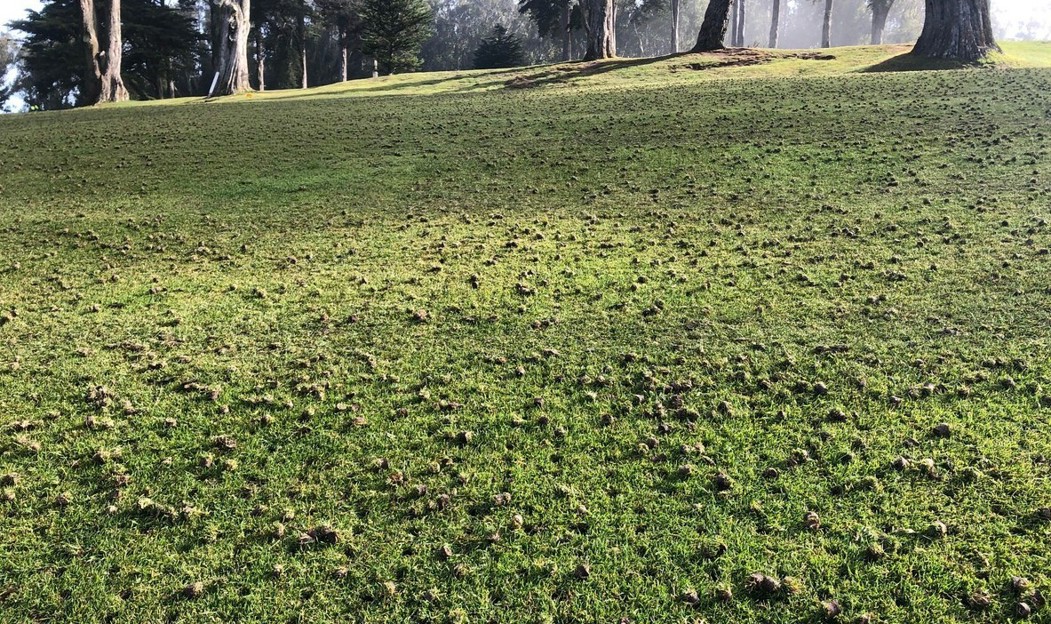
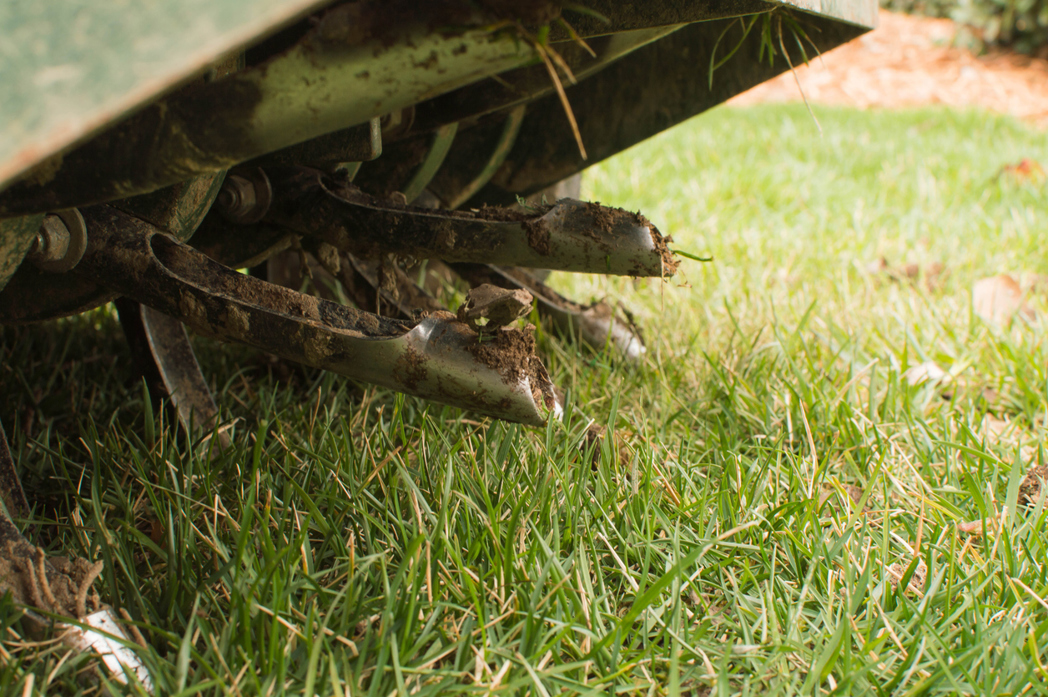
Hollow tine aeration (also known as core aeration) removes plugs from the lawn by using hollow tines. Since it physically removes material from the soil, rather than just piercing holes, it provides the greatest relief from severe lawn compaction and creates more space for nutrients to penetrate towards the root zone.
However, core aeration can also cause significant stress to the turf surface where it's applied, requiring more time to recover compared to solid tine aeration. This means it should only be used during times of active grass growth (such as early spring or early autumn in northern Europe) and no more than once or twice a year.
Solid tine aeration
Solid tine aeration (also known as spike aeration) creates small holes by pushing solid tines into the ground, without removing any soil.
While this method still improves the circulation of nutrients towards the root zone, it provides less long-term relief than hollow tine aeration when compaction or thatch build-up are particularly severe.
The clear advantage, however, is that spike aeration is less disruptive for the turf, with shorter recovery times, meaning that it can be applied more often than core aeration and is the ideal choice where lawns are more frequently used. For these reasons, it's well suited to routine maintenance, or lawns experiencing only light compaction.
Should scarification and aeration be paired together?
Although often paired together, scarification and aeration serve different purposes.
While it can help break down the piled-up thatch above the turf, aeration's main job is to improve the soil structure beneath the surface, reducing lawn compaction and allowing oxygen, water, and other nutrients to easily reach the root zone.
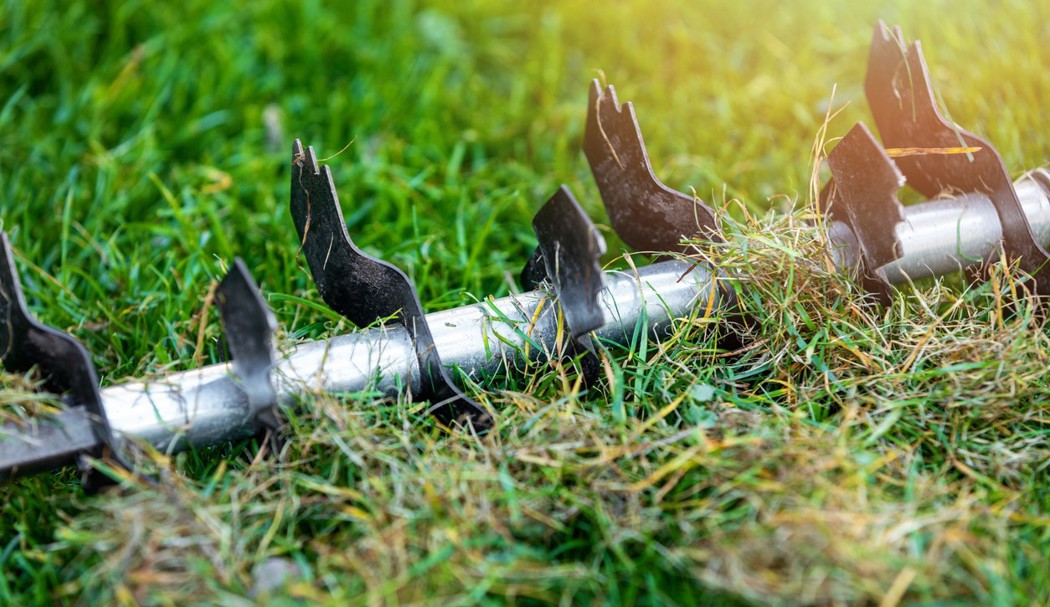
Scarification involves raking or slicing the turf to remove excess thatch, moss, dead grass, and other organic materials from the lawn's surface. The process is relatively shallow, but by helping reduce the materials that prevent the movement of nutrients towards the roots, scarification still plays a vital role in lawn care. Most gardeners and landscapers include both practices as part of a complete annual maintenance routine.
For more practical guidance on when and how to scarify lawn thatch, check out our in-depth guide!
What month should you aerate your lawn?
The ideal time for lawn aeration depends on the type of grass being used and when it’s actively growing.
For cool-season grasses, which are common across much of northern and central Europe, the best times are generally spring (March to May) and early autumn (September to October), when the turf can recover quickly.
In warmer parts of southern Europe, where warm-season grasses such as Bermuda or Zoysia are more common, aeration is typically carried out from late spring into early summer, when the grass is growing vigorously. Regardless of grass type, avoid aerating when the lawn is dormant, frozen, waterlogged, or suffering from severe drought stress.
How to aerate a lawn: best practices
Begin by mowing the lawn to a suitable height (usually between 38–50mm, or the lowest height recommended for your specific type of grass) and removing any piled-up leaves or surface debris. Pro tip: if the soil is extremely dry, watering lightly the day before can make aeration easier without leaving the ground saturated.
Then, work methodically across the lawn to ensure even coverage, paying particular attention to areas that experience the greatest wear. If you're using a hollow tine aerator, without the urgency for a quick recovery, feel free to leave the soil plugs on the lawn until they naturally break down – this way, they'll return precious nutrients to the soil. Just remember, they can typically take a few weeks to fully reabsorb!
Lastly, when aeration is complete, you could overseed and apply fertiliser or a topsoil mix to help make the soil more uniform, establish healthier roots, and enhance grass growth.
Common lawn aeration tools
There is no one-size-fits-all solution for aeration. The right equipment depends on the size of the area being maintained and the level of soil compaction you're dealing with.
Manual aerators – and for particularly small spaces, even a garden fork – can provide a practical solution for small lawns or isolated compacted areas. In general, spike aerators are suitable for regular maintenance where compaction is relatively light, while hollow tine or core aerators provide the most effective results for more heavily compacted lawns.
For commercial landscapes, sports facilities, and extensive grounds, powered aerators allow operators to work more efficiently while delivering consistent results across larger areas. Though an aerator attachment for a garden or lawn tractor offers a fantastic alternative to a dedicated piece of machinery. Aerating machinery can also be purchased with interchangeable tines – for instance, solid and hollow – allowing for multiple types of aeration applications.
Great lawn care starts with the right equipment
As aeration provides a great foundation for achieving the lawn you want, so does having the right equipment.
Lawn care depends on more than expertise and best practices alone. Reliable, high-performing equipment is key for professional landscapers and lawn enthusiasts who want their high standards met consistently year-round.
Whether you're a professional maintaining parks and commercial landscapes, or a homeowner looking to perfect their domestic garden, machines Powered by Kawasaki engines offer the high performance you need for a clean cut and exceptional finish.
For more practical turfcare advice and engine maintenance tips, explore our latest blogs and find expert insights to take lawn maintenance to the next level.