Soil quality is the foundation of every thriving landscape, sports field, or urban green space. From nutrient content to pH balance and water retention, a healthy soil promotes plant growth, turf resilience, and long-term landscaping excellence.
For turf professionals, understanding soil science is critical to consistently achieving these results while complying with increasingly complex regulations.
To learn more about these issues, we spoke with Henrik Bos, President of ELCA (European Landscape Contractors Association) and explored key questions about soil management as well as practical approaches that professionals can adopt.
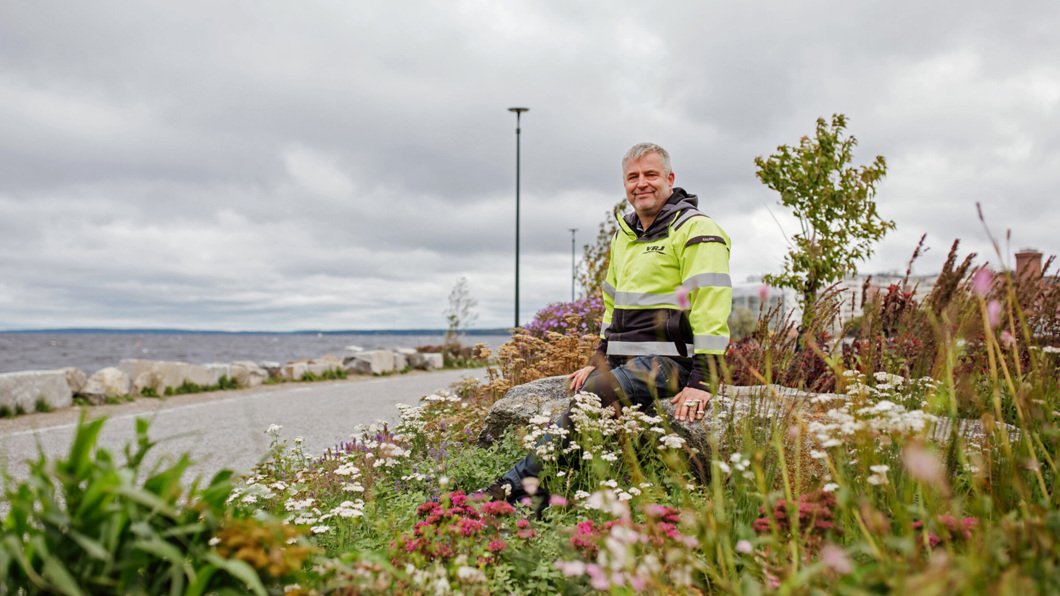
A quick introduction
ELCA represents landscapers and gardeners across 23 EU countries plus Canada, Singapore, and the United Kingdom, bringing together national associations under a shared framework.
A significant part of ELCA's work takes place in Brussels, where European-level discussions influence national legislation and directives. While laws are enacted at national level, Henrik notes that the EU provides guidelines, monitoring tools, and strategic direction, which member states then translate into their own regulations. ELCA's role is to ensure that the practical realities of landscaping and green space management are represented within this process.
By combining on-the-ground professional knowledge with active participation in legislative discussions, ELCA aims to support the development of more natural and workable solutions for urban and landscape environments throughout the world.
How to improve soil quality
1. Understanding soil and substrate
Henrik emphasises that the first step in improving soil quality is to understand what type of soil you're dealing with and its predominant composition. "Take it in your hand, smell it, look at it," he says. Professional landscapers develop these skills quickly from practical experience, learning to identify a living soil – one rich in micro-organisms, insects, and natural structure.
In Europe, the distinction between raw soil and substrates is critical. Substrates are strictly regulated and manufactured from natural materials like sand, clay, peat, or compost to create a stable growing medium for plants. Living soil, instead, although more fertile, can rarely be purchased as it is often legally classified as waste once excavated, creating a complex regulatory framework for landscapers and manufacturers.
"Today, in landscaping, we mostly work with manufactured substrates, not real soil, and that's a big difference," says Henrik. Living soil contains worms, insects, holes, and biological activity. That kind of structure takes years, sometimes tens of years, to develop. If the soil is alive, plants grow better, water is managed better, and everything works more naturally."
The role of peat and compost
Peat has been a key component of soil and substrate production for centuries. It provides structure, retains moisture, and supports plant growth. However, environmental regulations are increasingly limiting its use. "Opening peat fields releases carbon dioxide that's been stored for hundreds of years," Henrik explains. As a result, European legislation is pushing the industry to explore alternative materials, including green compost made from dead organic matter like leaves and branches.
However, while green compost presents a sustainable solution, its availability is still limited. Only a few European countries have large-scale collection and processing systems in place, and much of today's substrate production still relies on peat. "In Finland, for example, there is virtually no green compost available," Henrik notes.
Animal- or human-based compost is another option, but it comes with strict hygiene regulations due to potential harmful bacteria, making its use in public landscaping limited.
2. Identifying your soil type
"Once you recognise what kind of soil you have," says Henrik "you can start working to improve it by adding peat, sand, compost, or clay minerals, depending on what is missing."
"However," he continues "it's important to note that soil improvement is always slow. If you change something today, the real effect might come years later. There are no quick fixes. As a trade, we're trying to move away from industrial, chemical solutions and more toward natural methods that support living soil."
The six main soil types
Soil is commonly grouped into six main types, based on soil particle size, soil texture, drainage behaviour, and nutrient content:
- Clay soil is made up of very fine particles packed tightly together. These clay particles hold water and nutrients well but drain slowly and can become easily compacted, making plant root penetration difficult if not managed properly.
- Sandy soil presents large particles and drains quickly. It's easy to work with but struggles to retain its water content and plant nutrients, often requiring a blend of organic matter to improve its structure.
- Silty soil is characterised by finer mineral silt particles and better moisture retention than sandy soil. It's generally fertile but can become compacted and unstable if overworked.
- Loamy soil is a balanced mix of sand, silt, and clay. It combines good drainage with strong nutrient retention and is widely considered the most versatile and productive soil type for planting.
- Peaty soil is rich in organic matter and typically acidic. Peat soils retain moisture well, though may require drainage improvements and careful nutrient management.
- Chalky soil is alkaline and often shallow, with free drainage. It is often low in available nutrients for plants that prefer neutral or acidic conditions.
In practice, most landscapes contain variations and mixtures of such soil types. For landscapers, recognising the dominant type of soil they're dealing with helps inform key decisions around planting, drainage, and long-term soil maintenance.
3. Achieving optimal pH levels
Soil quality isn't just about its composition: Henrik also highlights the importance of pH levels, which determine how easily plants can absorb essential nutrients.
"pH itself does nothing. It’s just a measurement. What pH tells us is how easily plants can absorb nutrients from the ground. It describes how the roots interact with the soil."
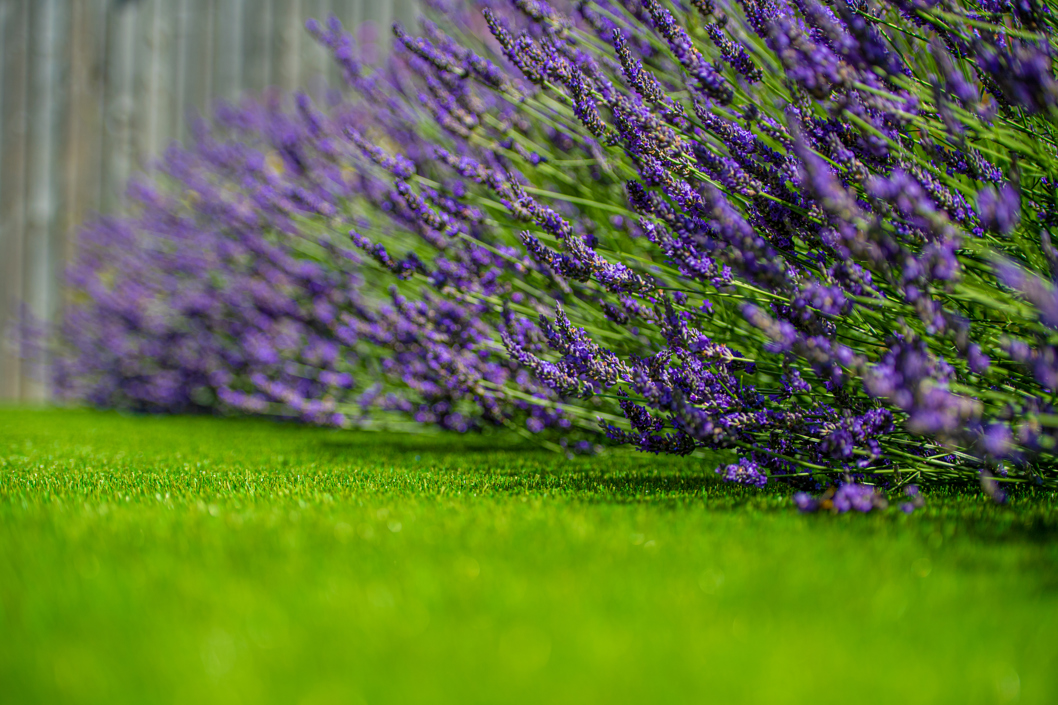
Most grasses and common landscaping plants thrive at a near-neutral pH, around 7, but some prefer slightly acidic or alkaline conditions – for instance, the ideal pH for rhododendrons typically ranges between 4.5 and 6.0, while the ideal pH of lavender ranges between 6.5 and 8.0.
We can artificially lower or raise the pH level of any given area by blending the soil with a more acidic or alkaline substrate, however, "changing pH takes time," reminds Henrik. "If you add lime today, it may take years before you see the real effect. The important thing is to keep the pH stable, not to constantly change it."
4. Matching soil with climate and grass type
Different regions demand different approaches. Coastal areas may have naturally sandy soils with high pH, while volcanic soils in Italy and Iceland offer excellent water retention thanks to micro-pores in the rock. Selecting the right grass species for local soil and climate is equally important – deep-rooted grasses may be necessary in dry southern regions, while shallow-rooted varieties may suffice in cooler, wetter areas.
Henrik points out that past landscaping often relied on "one-size-fits-all" recipes, copied from designs developed decades ago. Today, professionals must account for soil type, local climate, water holding capacity, and plant species to ensure sustainable growth and resilience.
5. Navigating evolving soil legislation
Europe's soil regulations are complex and vary by country. Excavated soil is often classified as waste, and recycled materials are subject to strict licensing. EU legislation provides guidelines and monitoring tools, but national laws largely dictate what landscapers can do with substrates and recycled soil.
Organisations like ELCA and its constituent national associations play a pivotal role in spreading awareness across the industry and supporting landscapers who need guidance.
"The gap between legislation and practical application is still huge," Henrik notes. "Our trade association works with governments to promote methods that support natural, living soils in urban and landscaped areas."
The right equipment for the job
As important as it is, knowledge is only part of the equation. Achieving lawn care and landscaping excellence also revolves around high-quality equipment that you can always rely on. For professionals, this ensures predictable results and supports healthy, resilient turf.
Kawasaki-powered machines deliver the durability, power, and precision landscapers need day after day – from robust mowers to versatile multi-tools – helping turn proven soil practices into thriving landscapes.
Check out our handy buyer's guides to find the perfect Kawasaki machine for your needs or explore our latest articles for more lawn care best practices.
FAQs
Soil-related questions may come up at every stage of a landscaping project. Complementing the topics discussed with Henrik, the answers below offer practical guidance on common topics around soil management, testing, drainage, and plant growth.
How can I improve soil quality?
Improving the soil usually means enhancing its overall structure, fertility, drainage, or biological activity. This is commonly done by adding organic matter, adjusting pH levels, reducing compaction, and choosing plants that are optimally suited to the existing soil conditions.
How do I test soil pH?
Soil pH can be tested using colour-change indicator strips, portable pH meters, or by analysing samples in a specialised laboratory. Testing should be done on a representative soil sample and repeated periodically, especially before planting.
How do I make soil more acidic?
Soil can be made more acidic by adding organic matter, sulphur-based products, or ericaceous plant compost. Changes should be gradual, as rapid pH shifts can stress plants.
How do I make soil more alkaline?
To raise soil pH, lime (such as ground limestone or chalk) is commonly applied. The amount needed depends on the current pH and soil type, with clay soils typically requiring more lime than sandy soils.
What is the topsoil layer?
Topsoil is the uppermost and most fertile layer of soil, typically the top 5 to 20 centimetres, rich in organic content, biological processes, and nutrients essential for growing plants.
Will grass seed germinate on topsoil?
Yes, grass seed will germinate on topsoil as long as it has good seed-to-soil contact, adequate moisture, and suitable temperature. Light raking and watering help improve germination rates.
How to prepare soil for grass seed
Preparing soil for grass seed involves clearing debris, loosening the top layer, levelling the surface, and ensuring the soil contains enough moisture. Adding topsoil or compost can improve establishment on poor ground.
What is soil erosion?
Soil erosion is the loss of topsoil caused by wind, water, or human activity. It may reduce soil fertility and alter its structure, but it can be minimised through vegetation cover, mulching, and proper drainage design.
How do I improve drainage in clay soil?
Clay drainage can be improved by aerating the turf to improve water percolation, adding organic matter or sand-based soil to increase the porosity of the soil, and installing land drains where necessary. Avoid working clay soil when it's wet.
How is soil formed?
Soil formation is a slow, continuous process driven by physical, chemical, and biological interactions. Even a few centimetres of healthy topsoil can take several years to develop naturally.