This article explains the impact a potential super El Niño could have on Europe, focusing on its effect on landscape maintenance professionals, and what they can do to prepare against drought.
El Niño events bring extreme weather to Europe, and with many forecasts predicting a 'super El Niño' starting in 2026, we're likely to see temperature records broken – the UN's World Meteorological Organisation (WMO) says the hottest year on record is 'almost certain' to occur before 2030.
In landscape maintenance, the weather dictates the work. Preparing for extreme temperatures helps you get ahead with planning, both in terms of the maintenance work itself and any potential financial impacts.
We're always looking for ways to support our community of professional landscapers at Kawasaki – we've investigated the potential impact of a super El Niño event on landscapers in Europe, providing practical advice on what you can do to prepare.
Contents
What is an El Niño?
What is a 'super' El Niño?
What does a super El Niño mean for Europe in summer and winter?
How can landscaping professionals prepare for a super El Niño?
Taking care of yourself in extreme conditions
Kawasaki Engines
FAQs
What is an El Niño?
El Niño refers to a powerful climate pattern signified by sea surface temperatures in the central and eastern tropical Pacific Ocean rising beyond the norm. A switch in wind patterns means warmer water spreads further, with higher ocean surface temperatures releasing more heat into the atmosphere – and its impact is felt far beyond the Pacific.
The climate impacts and atmospheric changes are widespread, even reaching the Atlantic Ocean and Europe. The global climate is affected, and in the summer months, it can lead to dry spells and/or an increased frequency of powerful tropical storms, depending on where you live.
An El Niño normally appears every two to seven years, lasting between 12 and 18 months; our last El Niño event ran from May 2023 to spring 2024. It's a natural oscillation, with cooler La Niña years as its counterpart.
Multiple climate models are suggesting we're seeing clear signs of a developing El Niño in 2026. The Climate Prediction Center states there's an 82% chance of one emerging in May - July 2026, and a 96% chance in December 2026 - February 2027. If, as some climate scientists suggest, this evolves into the strongest El Niño event in recorded history, however, it could have serious effects on our environment.
What is a 'super' El Niño?
The phenomenon is not an official scientific classification, but a meteorological term used to describe an historically extreme El Niño event. For a normal El Niño, surface waters in a certain region of the Pacific – for example, the Central North Pacific – must be 0.5℃ above the average.
A super El Niño is characterised by sea surface temperatures in the Central Pacific rising more than 2°C above normal, with only a handful of events recorded since 1950; notably 1982/83, 1997/98, and 2015/16 – the latter was the warmest year on record until 2023, another El Niño year.
Super El Niño events can significantly increase the likelihood of climate regime shifts, which are abrupt and persistent changes in temperature and moisture conditions that can last for years or decades after the event has ended. The growing confidence in the development of a super El Niño in the latter stages of 2026 and into 2027 is likely to mean even more volatile weather, higher global temperatures, and unpredictable winters.
While the World Meteorological Organization (WMO) doesn't use the term 'super El Niño', they're indicating we're heading for a stronger than usual event – as WMO Secretary-General Celeste Saulo recently stated, "We need to prepare for a potentially strong El Niño event".
What does a super El Niño mean for Europe in summer and winter?
El Niño events are felt most keenly in areas surrounding the Pacific Ocean, but its impact is global. In Europe, the effects of the climate pattern often lag behind; we don't always feel the effects of El Niño events, but the stronger they are, the more likely they are to impact the continent.
A very strong El Niño typically leads to severe weather in Europe, in summer and winter.
A super El Niño summer
A super El Niño increases the likelihood of extreme heat, prolonged heatwaves, and severe drought in summer. It exacerbates any dry spells we would usually see, making them longer and more intense. High-pressure systems can also be trapped by the altered jet stream, leading to severe summer storms and flash flooding, worsened by the dry ground.
There's potential to break temperature records, particularly in 2027. Dr Akshay Deoras, Department of Meteorology, University of Reading stated, "Having an El Niño now is like adding another layer of heat to a planet that is already running a fever. 2027 could temporarily exceed 1.5°C above pre-industrial levels and become the hottest year on record." Drier conditions, potentially beyond any historical range, could have a severe humanitarian and environmental impact.
Besides intense heat and drought, we're likely to see more outbreaks of Saharan dust, especially in Spain and Portugal.
A super El Niño winter
Extreme events aren't limited to the summer. In fact, El Niño's impact in Europe is arguably stronger in winter, as the stratospheric polar vortex is weakened and the North Atlantic Oscillation (NAO) altered.
There's a distinct split between northern and southern Europe at this time of year. Northern regions typically experience colder, drier winters while the south contends with much wetter, milder conditions.
Super El Niño only worsens its impact. The jet stream is forced downward, driving wetter conditions, with the potential for flash floods, down to southern Europe. Northern Europe is blocked from the usual mild, wet Atlantic winds, meaning prolonged snaps of below freezing temperatures and reduced rainfall.
Though as we could be seeing an unprecedented event, meteorologists are arguing it's difficult to predict exactly how it could play out.
How can landscaping professionals prepare for a super El Niño?
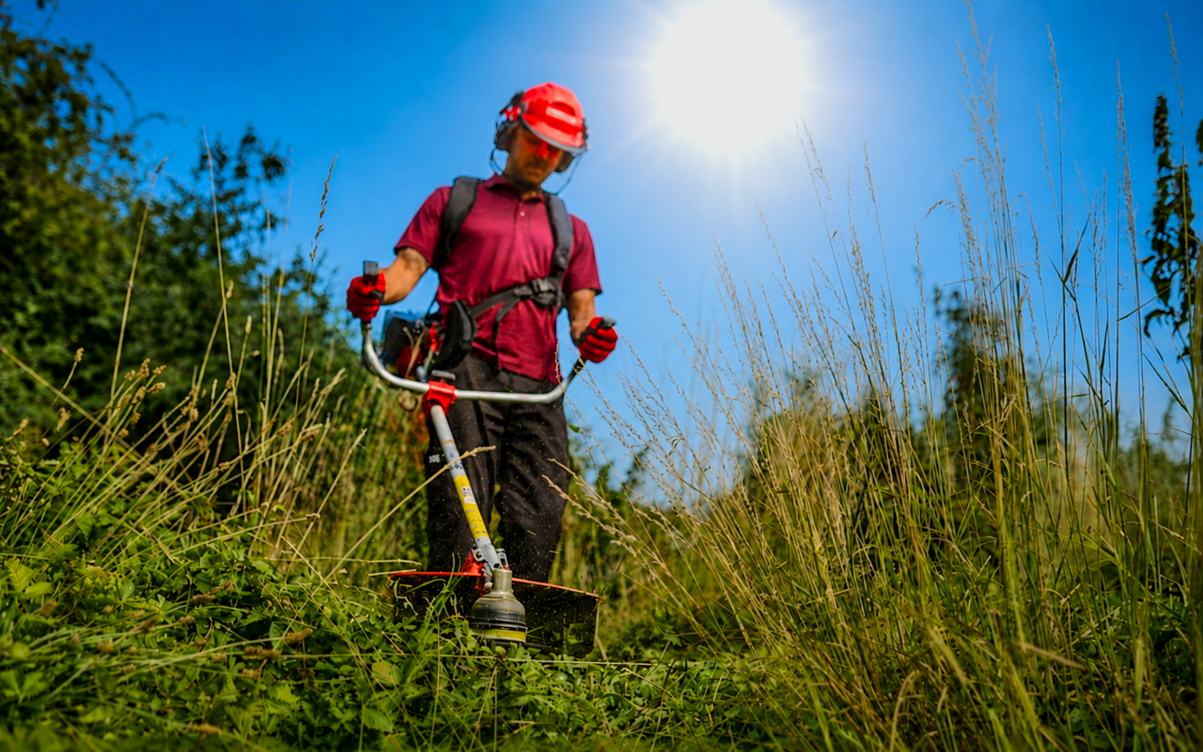
Trying to map the climate, and plan for how your landscaping may need to adapt accordingly, can feel like an impossible task. For landscaping professionals, it's not about predicting the weather – even scientists are unsure of the potential impact – but about preparing for the most likely extreme weather outcomes.
Let’s explore practical ways professional gardeners and landscapers can put themselves in the best position to withstand a super El Niño if it occurs.
Drought resistant landscaping: improving drought tolerance
One of the most common results of an El Niño in Europe is summer droughts. It's not just soaring summer temperatures that cause it, rather drought can develop through both excessively wet and dry weather across the year - and El Nino is bringing both.
Both extremes change the soil environment and can impact soil moisture relations. But by following the below tips you can not only keep on top of landscape maintenance during drought, but use the opportunity to invest in new drought-resistant plants and grass seed.
Most drought tolerant grass types
El Niño may be a cyclical climate pattern, but with the trend for hotter summers, it's worth considering the long-term benefit of investing in more drought tolerant grass types. Shallow-rooted turf varieties are more vulnerable to dry weather, while deep-rooted grasses are able to survive much harsher summer conditions.
If you're looking to make your client's green spaces more resilient, grasses with an extensive root system that can tap into deep moisture reserves are a great choice, and may be a necessity in dry southern regions.
Drought tolerant grass varieties:
- Tall fescue – tall fescue's deep roots make them an excellent choice for drought. This cool-season grass is native to Europe, and though it can be prone to clumping, has roots that plunge over a metre deep, helping the grass keep its rich green colour long after turf with shallow roots. It's particularly good for northern and central Europe, including the UK, France, and Germany, due to its ability to withstand cold winters and hot summers.
- Fine fescues – these European native grasses require fewer nutrients and much less water than ryegrass, and are an excellent option for landscapers based in northern Europe. Fine fescues aren't quite as robust as tall fescue, requiring low-traffic areas, but have softer and finer grass blades. They tend to go dormant in the heat, but usually recover well.
- Bermuda grass – for landscapers maintaining grounds in southern regions like Italy, Spain, or Southern France, Bermuda grass should already be familiar. It thrives in scorching temperatures and is known for its ability to recover from drought. It can struggle with cooler conditions, and will enter a brown dormancy during cold winters.
- A grass seed mix e.g. smooth meadow-grass and perennial ryegrass – when a complete overhaul isn't possible, you can try overseeding with more drought tolerant varieties such as Kentucky bluegrass, which, once rooted, will fill in gaps that appear in the turf. This option is better suited to countries in central and northern Europe.
Soil management in dry weather
The compaction caused by wet winters combined with heavy foot traffic on grounds can deprive the root zone of the necessary moisture needed for grass and plants to develop properly. Damage during winter may mean roots are unable to hold and retrieve water down the line – a potential disaster in a heat wave.
Getting grounds through a drought is all about preserving moisture, preventing evaporation and causing as little damage to your grass as possible. Below are a few ways you can approach soil management to withstand dry weather.
Aeration
Aeration allows water and oxygen to filter through all the way down to the roots will help the soil to retain water for longer if a drought does occur.
Aerating in the spring when the ground is not yet hardened by drought, but dry enough for the holes to not seal up, will give lawns the best chance at surviving a drought.
Improving soil structure
Cultivating soil deeply and digging in large quantities of organic matter will improve soil structure, soil water retention and water availability for plants. You can learn more about soil management in our interview with the President of the European Landscape Contractors Association, Henrik Bos.
How to approach mowing
Cutting conditions will need to change during a heat wave to accommodate fragile ground and stop a dream garden from looking barren. Grass is 85 percent water, so for every centimetre cut, moisture is lost. Following the one-third rule of never removing more than one-third of the grass in any one cut can reduce moisture loss.
Leaving longer amounts of time between cutting cycles and allowing for longer grass will also create a barrier between the soil and the drying effects of the sun and wind. This natural shade will keep the soil beneath cooler, allowing it to hold onto water for longer and prevent evaporation that can exacerbate drought conditions and prevent plant growth.
Planting drought-resistant plants
Planting drought-resistant plants such as those with grey-green or silver leaves can spruce up a landscape and are less likely to suffer during a heat wave. The leaves reflect some of the sun's rays, helping them to conserve moisture within the plant tissues.
With El Niño causing havoc on weather patterns, as well as adapting existing landscaping practices it could be worth investigating climate-resistant landscaping ideas.
Preventing water logging
Changes to the jet stream and increasing temperatures can be a catalyst for waterlogged lawns and grounds, particularly during the winter in southern Europe. For every one degree Celsius of temperature rise, air can hold up to seven percent more moisture, increasing risk of showers and a very wet winter.
An increase in rain can quickly make a bog out of an otherwise well-cared-for lawn and put a halt to a landscaping project. Not to mention wet soil increases the risk of compaction in areas where traffic might be heavy, damaging the roots beneath – something that can cause dead patches in the short term and exacerbate drought later down the line.
Landscaping a wet lawn
Like with drought, one of the best ways to avoid water logging is through aerating grounds in the winter and spring to prevent compaction.
Using heavy machinery to mow during this climate may also increase the likelihood of compaction. In anticipation of wetter winters that could last well past this year's El Niño, it may also be worth encouraging your clients to limit the amount of foot traffic on wet grounds.
Equipment built to withstand heat
In the most challenging conditions, the quality of your equipment will be the difference between a profitable day on the job and a costly breakdown.
High temperatures paired with dusty conditions can place a lot of stress on machinery. You'll need a high-quality engine to maintain performance levels in extreme conditions, in a commercial-grade machine built for professional work. To keep your equipment running efficiently, look for the following engine features:
- Effective air filtration – dry turf kicks up plenty of dust; add Saharan dust outbreaks into the mix and standard air filters can quickly struggle. Make sure your mowers are equipped with high-quality air filters with high particle capture capability to protect your engine, such as those standard on Kawasaki V-twins.
- High-performance lubrication system – an efficient lubrication system assists cooling, protecting components that are working hard in intense conditions.
- Debris management – even a thin blanket of dry grass clippings caught in the engine housing can lead to potential issues with overheating. Besides regular cleaning and maintenance, if you're working in high debris environments, check for innovative debris management solutions such as the vortical air filtration system in our FT series.
Kawasaki engines are built to withstand intense environments, and tested under extreme conditions to ensure they can withstand a busy schedule year-round. Our engines are known for reliability across Europe – you can trust your business with Powered by Kawasaki equipment.
Taking care of yourself in extreme conditions
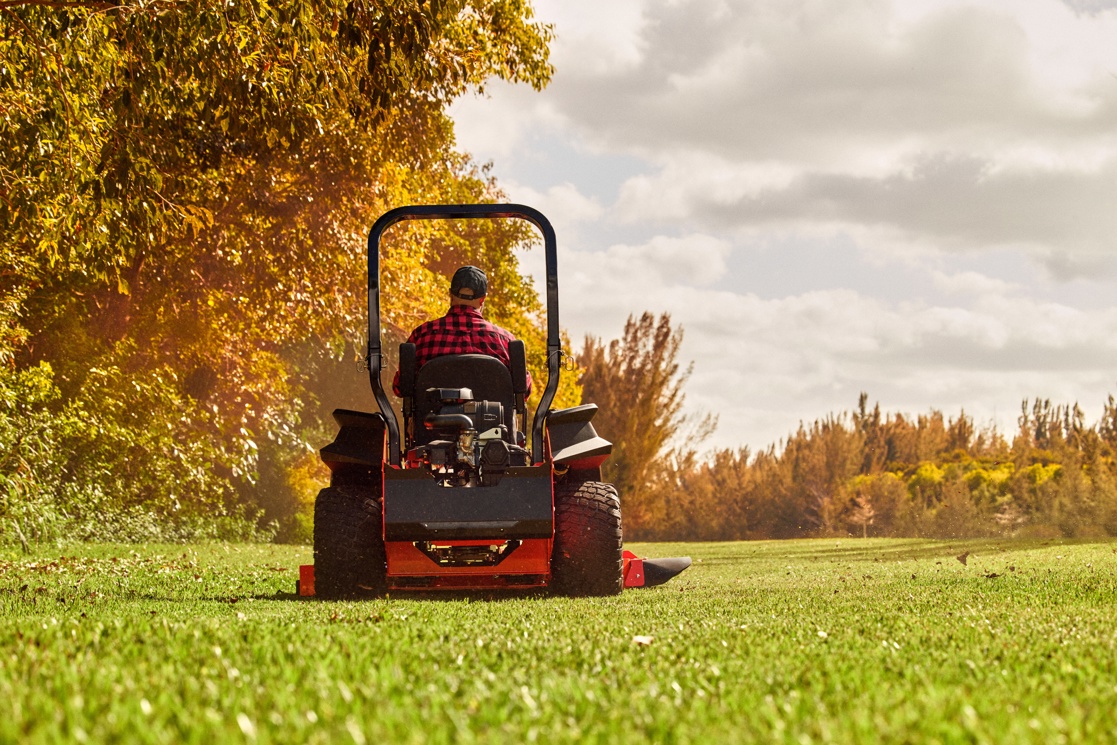
In uncertain and difficult conditions, it’s important that you pay close attention not just to how the landscape is responding to the change in climate, but how you are too. Seasonal changes and extreme temperatures might mean changing the way landscapers go about their work to ensure their own wellbeing.
In excessive heat, this could mean starting the day earlier to take advantage of cooler temperatures and forecasting a slightly longer job length for particularly strenuous work. Your body and your health are essentially your business in this profession, so it’s important to avoid burnout in the summer by stopping yourself from pushing through intense weather conditions.
It’s not just your physical health you need to look out for as we head through the year. With weather patterns looking to be as unpredictable as they are, it wouldn't be unusual for landscapers to be feeling some stress or anxiety at the prospect of disrupted work. Here are a few things you can do to ensure you’re taking care of your mental health:
- Maintain a good work life balance – getting enough sleep, eating healthily and spending quality time doing something you love outside of work may seem self explanatory, but can often be overlooked.
- Make connections – if not working as part of a team, landscaping can feel like a lonely job, so consider online platforms to find and chat to other landscapers who may be experiencing some of the same stressors. Sharing knowledge, picking up advice or just knowing others are facing similar challenges can be a great help.
- Reach out – if you feel as if your mental health is suffering don’t be afraid to talk. Whether it’s to family, friends or a professional, there are plenty of people who will want to help and share a listening ear.
Kawasaki Engines
The latest outlook as of July 2026 is that the likelihood of an El Niño is high, and a super El Niño is certainly a possibility. The weather is difficult for even the experts to predict, however, and is subject to change – the best you can do is prepare for all eventualities.
You can't always rely on the weather to provide the best conditions for the job. What you can count on is reliable machinery. Powered by Kawasaki machines provide professional landscapers and landscape gardeners with high-quality products that can cope with the demands of the most extreme weather.
Find the right tools for your business, whatever the weather, with Kawasaki's trusted partners.