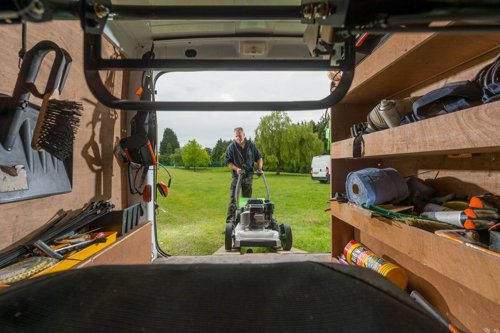
This article is a guide for people interested in becoming professional gardeners, providing advice on the skills required, how to gain experience, and important considerations if starting a landscaping business.
Working outdoors, transforming green spaces, and spending time in nature. Many people dream of becoming a professional gardener or landscaper – but what steps do you need to take to make it a reality?
You don't have to be in your early 20s to change careers. Whether you're fresh out of school or have spent many years in another industry, you can make the switch – many pros in our Powered by Kawasaki community became landscapers later in life.
For most, it's worth taking the chance. In our 2025 professional landscaper's report, 61 percent of landscapers across the UK, France, Germany and Italy said their job had a positive impact on their physical and/or mental health. Often, we hear a similar story: it's hard work, but rewarding.
We support landscaping professionals throughout their careers with reliable engines and expert advice. If you're at the beginning of your professional gardening journey, we're here to help you get a head start.
Getting started as a professional gardener – what skills do you need?
Understanding the skillset is a good starting point for any aspiring landscaper or gardener. What do you actually need to know?
Before anything else, it's worth considering the physical demands of the work. Gardening or landscaping is labour-intensive, and involves working outdoors in various weather conditions – you'll need good stamina to succeed.
Becoming a professional gardener: the basics
Landscape maintenance is wide and varied: some gardeners work mostly on residential gardens, requiring a mix of skillsets, while others may work exclusively in turfcare, becoming experts in the minute details of perfecting a lawn.
Depending on the type of work you're interested in, there are new skills you'll have to learn. Generally, however, these are the basics that the vast majority of professional gardeners will know.
Lawn care
Lawn care is the core of a professional gardener's work. From residential gardens to commercial properties, you'll need to know how to keep the grass thriving for nearly every project.
While many landscapers first start out just mowing grass, lawn care can become much more involved. Each season requires a different approach, from how to manage drought in summer, to essential tasks like scarifying and aeration for spring and autumn lawn care, even preparing for cold weather – you'll learn how and when to perform vital tasks throughout the year as you become a lawn care expert.
And it's not just the seasons; there are several different areas to master, as well as considerations dependent on where you live in Europe. From soil management and irrigation, to lawn diseases and pest management, to simpler considerations, such as cutting heights, there's a lot to learn, and many opportunities to specialise.
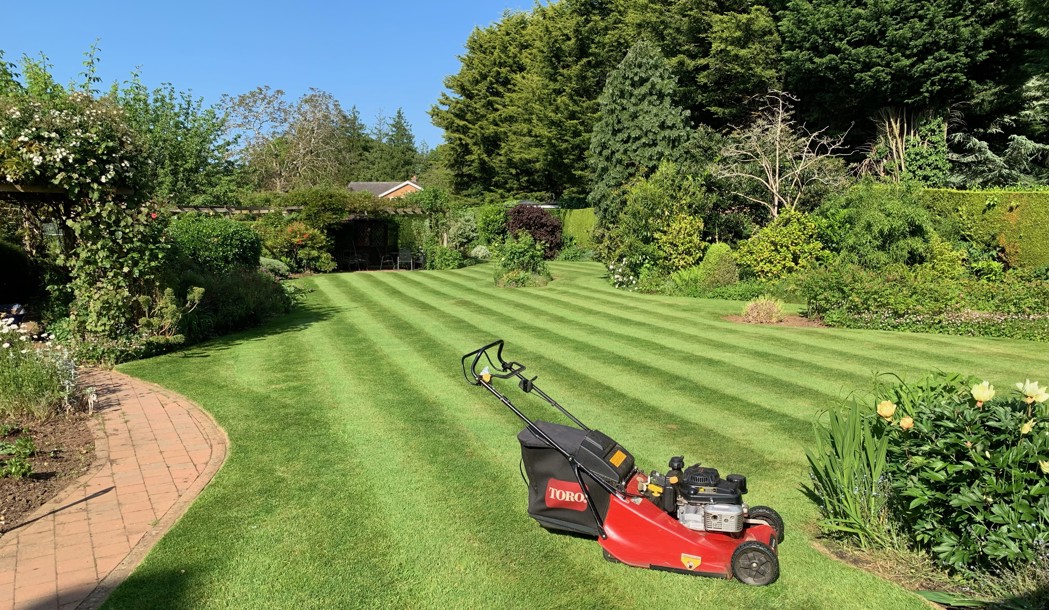
Image: Hoopers Garden Maintenance
Horticulture
If you work only in turfcare, understanding plants isn't critical. But most professional gardeners and landscapers will have a good knowledge of horticulture, learning the art of cultivating and nurturing plant life.
You may be maintaining or even planting flower beds, or getting creative with topiary – horticulture, like lawn care, has many niches you can learn.
Equipment operation
Whatever kind of gardening or landscaping you do, you'll be working with specialist equipment. Landscaping machinery includes everything from larger equipment like ride-on mowers, to handheld tools, such as brushcutters and multi-tools.
Understanding how to use and maintain equipment (and if running your own business, knowing which landscaping tools you'll need) is an important skill in itself.
Do you want to specialise?
Expanding your skillset from the basics of gardening work can give you a competitive edge and allow you to tackle jobs that need specialist knowledge. If running a business, it can also offer another income stream.
These are just a handful of examples of areas you can specialise in to differentiate yourself:
- Garden design – as a garden designer, you'll have a creative eye, offering a service beyond maintenance.
- Hard landscaping – from fencing and patios to installing a walled garden, hard landscaping gives you a well-rounded skillset, and the ability to pick up other work in the winter off-season. You can also pick up maintenance work such as pressure washing and pool maintenance.
- Arboristry – as an arborist, you will be an expert in the care and maintenance of trees; from pruning and removal to identifying and treating diseases. Arborists care for trees by performing tasks such as pruning, shaping, and removing dead branches, and they often work in various environments, including private gardens and for local authorities.
- Niche expertise – having a particularly in-depth knowledge in a specific niche can help you stand out, e.g., becoming a soil or irrigation specialist.
- Pest control and disease – most landscapers will know the basics, but having a thorough knowledge of how to recognise and treat different pests will give you an advantage.
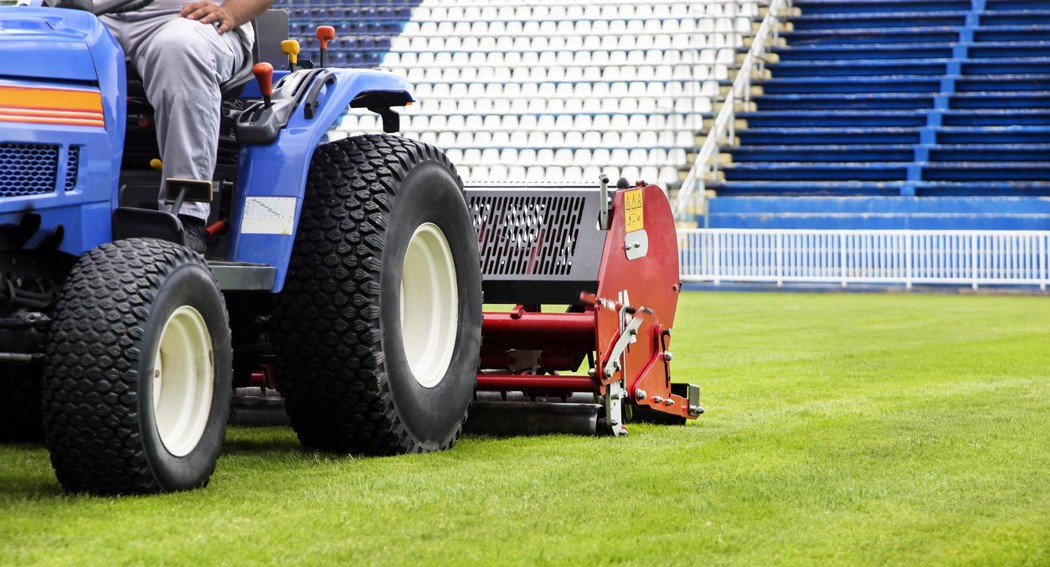
- Sports turf specialist – interested in maintaining the playing surface of your favourite sport? Golf, football, cricket, tennis, and more all require specialist knowledge.
How can you learn landscaping skills? A quick checklist
Landscape gardening qualifications
Qualifications aren't essential to work in landscape maintenance, but this does depend on the type of work you're interested in. Hands-on gardening courses can give you a good grounding in the basics, from horticultural knowledge to turf management.
If you're planning to work in a more specialised field, official certifications may be required. You're likely to need technical certifications to become an irrigation specialist, for example, or a horticultural qualification to be considered as an employee for certain gardening organisations.
Gaining landscaping experience
Nothing can replace practical experience. Time spent training in a learning environment is valuable, but the best way to develop skills and learn your trade is by doing the work. You can apply practical horticulture skills, get used to working with different types of equipment, and understand which parts of the job appeal to you the most.
- Start an apprenticeship – shadowing someone with experience will give you a clear idea of what the job entails, and allows you to learn on the job while earning a wage.
- Volunteer – many employers prioritise hands-on skills and experience for roles in gardening; starting in entry-level positions or volunteering can help build a CV. Check with your local garden association or any large estates in your area; you'll quickly learn important skills working under a head gardener.
- Practice at home – or at the homes of people you know. This is a great, low-pressure way to learn, and will help you realise if gardening is better suited as a hobby or a career.
- Look for part-time work – if you can be flexible, you can gain work experience without the full-time commitment.
Looking to start your own landscaping business?
Most landscapers and professional gardeners run their own business. But practical skills are only one part of the equation; you should thoroughly learn your trade before investing, as running a business involves complexities such as managing cash flow, marketing, and understanding contracts.
Sam Jarockyj started his business from scratch in 2020, starting out as a one-man band, and now has a full team of professional gardeners supporting him. By reading his six steps to start a landscaping business, you can follow his example, and learn everything you need to know, from the money you'll likely need to invest at the start to how to find your first customers.
Choosing the right landscaping equipment
If you're working for yourself, rather than a team with an established set of tools, you'll need to purchase equipment.
It's one of the most important decisions you will make, as in landscaping, you depend on your tools every day. The first step is to understand what equipment you'll need, which will depend on the type of work you're targeting. Avoid the temptation to purchase more than you need before you have an understanding of what you'll actually use!
Then, it's about quality and reliability. There's a huge range of manufacturers for everything from multi-tools to ride-on mowers. It can be difficult to know where to start, but it's vital to invest in tools you can trust – money saved upfront may well be lost in downtime and the cost of more frequent replacements.
Start your career Powered by Kawasaki
Quality and reliability are synonymous with Kawasaki engines. Professionals have trusted our engines to power their equipment for decades, knowing that no matter how tough the work gets, they can rely on a Kawasaki engine to power through.
Kawasaki engines are durable, long-lasting, and powerful – we work with trusted landscape machinery manufacturers to provide professionals with equipment of the highest quality. Invest in tools that you know will perform. Explore equipment Powered by Kawasaki today.